Foreclosed and Bank-Owned Homes in Michigan: Sheriff's Sales, Redemption and What to Check
You can find foreclosed and bank-owned homes in Michigan through online platforms such as Vihara, county sheriff's sales, tax foreclosure auctions, government sites (HUD Home Store, Fannie Mae HomePath) and local agents. A Michigan mortgage with a power of sale can be foreclosed with no court case, and after the sheriff's sale the former owner can still buy the home back for six months or a year, so the winning bid isn't the end of the story.


Where can I find foreclosed homes in Michigan?
You'll find them in five places, and each one sells a home at a different stage:
| Where | What you'll find | Who it suits |
|---|---|---|
| Online platforms such as Vihara | Bank-owned and distressed homes, each with a starting price and an estimate | Buyers who want to compare deals side by side |
| Sheriff's sales | Homes at the mortgage foreclosure sale, announced in the newspaper's legal notices | Experienced buyers with cash who can wait out the redemption period |
| Tax foreclosure auctions | Homes the county or the State took for unpaid property taxes | Investors who are fine buying sight unseen and fixing a lot |
| HUD Home Store and Fannie Mae HomePath | Homes owned by HUD or Fannie Mae after a foreclosure | Owner-occupants and first-time buyers |
| Local agents | Bank-owned homes on the open market | Buyers who want someone local walking them through it |
Which Michigan properties are on Vihara right now?
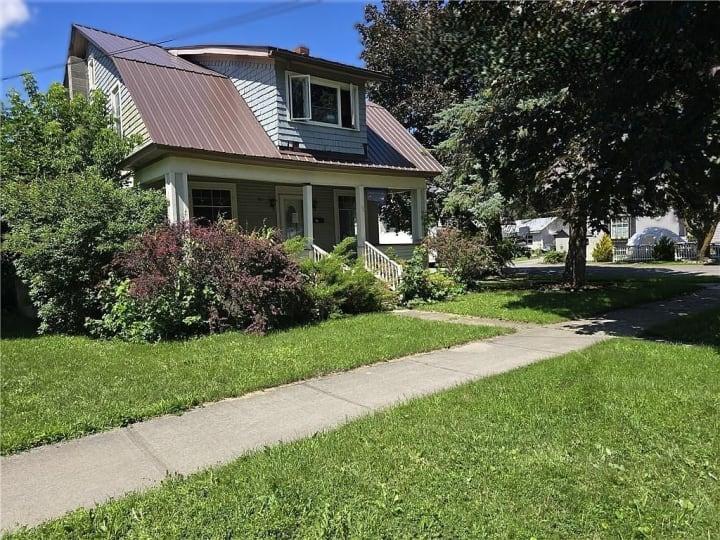
On 14 November 2026, Vihara had one Michigan home:
- 18753 San Diego Blvd, Lathrup Village, MI 48076: 3 beds, 2 baths, about 2,287 sq ft
Lathrup Village is a small city in Oakland County. The property page has the starting price, the estimate and the photos. See the Lathrup Village deal.
How does the foreclosure process work in Michigan?
Under Michigan law, a mortgage that contains a power of sale can be foreclosed "by advertisement". That's the legal name for a foreclosure with no lawsuit: the mortgage itself gives the power to sell. Here's the order things happen in:
- The default. The owner falls behind on the mortgage.
- Four weeks of notices. The sale is published in a newspaper at least once a week for four weeks in a row. Within 15 days of the first notice, a copy is posted somewhere easy to see on the property.
- The sale. The sheriff, undersheriff or a deputy sheriff (or a person named in the mortgage) sells the home to the highest bidder, at the place where the county's circuit court is held, between 9 a.m. and 4 p.m. The lender often bids the amount it's owed.
- The sheriff's deed. The winner gets a deed. It isn't final yet.
- The redemption period. The former owner can pay the required amount and keep the home.
- The deed becomes final. If nobody redeems in time, the deed takes effect and the buyer owns the home. If the lender bought it, the home becomes bank-owned (REO).
A lender can also foreclose through the courts in Michigan. This guide follows the advertisement route.
How long is the redemption period in Michigan?
For a home of one to four units, it's six months if more than two-thirds of the original loan was still owed when the sale was noticed. If two-thirds or less was owed, it's one year. Farm property gets a year.
It can be much shorter if the home is abandoned. Under one abandonment process the period is one month. Under the other, it's 30 days or until a required notice period ends, whichever is later. That route requires the lender to inspect the home, post a notice and send it by certified mail.
The clock starts on the day of the sale. So if you win a six-month sale in March, plan as if you won't know the home is yours until September. Ask a title company which period applies to the sale you're looking at.
What happens to my money if the owner redeems?
You get it back, with interest. To redeem, the former owner pays the amount you bid, plus interest from the sale date at the rate set in the mortgage, plus some costs of the sale. If you paid property taxes, senior liens, condo or HOA dues, or insurance on the home during the period, those can be added too, but only if you file the affidavits the law requires.
The payment goes to you or to the county register of deeds for you, and your sheriff's deed becomes void.
So a redemption doesn't cost you your bid. It costs you months of having that cash tied up, plus the time you spent on a house you never get. Run the numbers on that before you bid.
Can I move in during the redemption period?
Usually not. The deed doesn't take effect until the redemption period ends, so you don't own the home yet. If someone is still living there once the period is over, Michigan law lets you recover the home through "summary proceedings", the state's eviction process.
This is the honest catch with sheriff's sales. You pay first, you wait, and you often haven't seen past the front door.
Sheriff's sale, tax auction or bank-owned: which should I buy?
Here's how the three routes compare:
| Sheriff's sale | Tax foreclosure auction | Bank-owned (REO) | |
|---|---|---|---|
| Why it's sold | Unpaid mortgage | Unpaid property taxes | The lender took it back at the sheriff's sale |
| Who sells it | Sheriff, undersheriff or deputy sheriff | The county or the State (the foreclosing unit) | The bank or loan servicer |
| See inside first? | Rarely | Rarely | Usually |
| Redemption after you buy | Six months or a year (shorter if abandoned) | Redemption ended before the auction | Already over |
| Who it suits | Experienced cash buyers | Investors who rehab | Most buyers, including first-timers |
For most people, bank-owned is the simpler route. The redemption clock has already run out, and you can usually bring your contractor through before you decide.
What should I check before buying a foreclosure in Oakland County or Detroit?
Check these, and know where to look:
| Check | Where to look | Why it matters |
|---|---|---|
| The redemption date | Your title company, using the sale date | Tells you when the home can actually be yours |
| Title and liens | A title company or real estate attorney (the county register of deeds holds the records) | Some debts survive the sale and become yours |
| Unpaid property taxes | The city or county treasurer | Unpaid taxes can lead to a tax foreclosure later |
| Occupancy | Drive by; ask the seller | An occupied home means an eviction before a rehab |
| City requirements | The city's building department | Ask whether the city needs an inspection or certificate before a sale or a rental |
| Lead paint | Your inspector | Federal rules require sellers of homes built before 1978 to disclose known lead paint; sales at the foreclosure itself are exempt |
Then the house itself. Many homes around Detroit were built decades ago, so look hard at the roof, the basement walls and any water in the basement, the furnace, the electrical panel and the sewer line. A basement that "just needs a sump pump" is how a deal turns into a money pit.
How do Michigan tax foreclosures work?
They're a separate process for unpaid property taxes, not mortgages. The foreclosing unit, either the county treasurer or the State, asks the circuit court for a foreclosure judgment. The owner can still redeem by paying the unpaid taxes until March 31 after that judgment. After that, title goes to the foreclosing unit with no further right of redemption, and the home can be sold at auction.
So by the time a tax-foreclosed home reaches auction, the owner's redemption right has already ended. The trade-off is condition: many of these homes have sat empty, and you rarely get inside before you bid. Read the foreclosing unit's auction rules before you register.
Is a Michigan foreclosure a good deal?
It can be, if the number you pay leaves room for the repairs and the wait. A sheriff's sale can come in lower than a bank-owned sale, but you're buying time and uncertainty along with the house. A bank-owned home costs you less waiting and less guessing.
On Vihara, every property shows its starting price next to an estimate, so you can see the gap before you do anything else. Financing is available through Vihara's financing partners. If you're looking at the Lathrup Village home or anything else in Michigan, talk to a Vihara advisor, at no cost.
Frequently asked questions
Is Michigan a judicial or non-judicial foreclosure state?
Both routes exist. A mortgage with a power of sale can be foreclosed by advertisement, with four weeks of notices and a sale but no court case. A lender can also foreclose through the courts.
How long is the redemption period after a Michigan sheriff's sale?
For a home of one to four units, six months if more than two-thirds of the original loan was still owed, and one year otherwise. It can be one month or 30 days if the home is abandoned and the lender follows the law's abandonment process.
Can I live in a home I bought at a Michigan sheriff's sale right away?
Usually not. Your deed only takes effect when the redemption period ends without a redemption. If someone is still living there after that, you recover the home through summary proceedings.
What happens if the owner redeems after I win the sheriff's sale?
You get back your bid, plus interest at the mortgage rate. Taxes, senior liens, condo or HOA dues and insurance you paid can be added if you filed the required affidavits. Your deed becomes void.
Are there foreclosed homes in Oakland County?
Yes. Oakland County has sheriff's sales, tax foreclosures and bank-owned homes. Vihara has one now, a 3-bed home in Lathrup Village.
Sources
- 01Michigan Legislature, MCL 600.3201 (foreclosure by advertisement)
- 02Michigan Legislature, MCL 600.3208 (notice of sale)
- 03Michigan Legislature, MCL 600.3216 (who holds the sale, and where)
- 04Michigan Legislature, MCL 600.3236 (when the deed takes effect)
- 05Michigan Legislature, MCL 600.3240 (redemption)
- 06Michigan Legislature, MCL 600.5714 (summary proceedings)
- 07Michigan Legislature, MCL 211.78k (tax foreclosure judgment and redemption)
- 08US EPA, "Real Estate Disclosures about Potential Lead Hazards"
- 09HUD Home Store
- 10Fannie Mae HomePath
- 11Vihara properties, retrieved 14 Nov 2026
Trisha co-founded Vihara in 2022 to bring bank-owned and distressed property auctions online. Before Vihara, Trisha was a product manager at Abbott Laboratories and Hill Physicians Medical Group, and holds an MS in Public Health from the University of Pennsylvania.
LinkedIn ›